Understanding the Value of Oriental Rugs
Oriental rug represent far more than decorative floor coverings. Each piece embodies generations of artistic tradition, countless hours of skilled handwork, and cultural significance that spans centuries. These textiles are created using techniques passed down through families and communities, with patterns that tell stories and materials selected for their durability and beauty. For owners in San Antonio and across the United States, these rugs often serve as treasured heirlooms, investment pieces, or meaningful connections to heritage and history.
The craftsmanship behind authentic Oriental rugs involves meticulous processes that have remained largely unchanged for hundreds of years. Artisans hand-spin wool or silk into yarn, dye fibers using natural pigments derived from plants and minerals, and knot individual threads onto foundation warps with remarkable precision. A single room-sized rug may contain millions of knots, each placed by hand over months or even years of labor. This extraordinary investment of human skill and time makes proper care essential for preserving these remarkable objects.
The Unique Challenges of Caring for Antique Textiles
Material Sensitivity and Aging
Natural fibers age differently than synthetic alternatives, and Oriental rugs typically employ wool, silk, cotton, or combinations thereof. Over decades and centuries, these materials undergo chemical and physical changes that affect their response to cleaning and handling. Wool fibers may become more brittle, silk can weaken and lose luster, and cotton foundations may deteriorate in areas of heavy stress.
The dyes used in traditional rug making also present preservation challenges. Natural pigments, while prized for their depth and variation, may be less stable than modern synthetic alternatives. Exposure to light, moisture, and certain cleaning agents can cause fading, bleeding, or color shifting that permanently damages the rug’s appearance. Understanding these material sensitivities is fundamental to appropriate care.
Accumulated Damage Over Time
Rugs in active households accumulate soil, dust, and debris that gradually abrade fibers and dull colors. In San Antonio specifically, the fine caliche dust that blows in from the surrounding Hill Country, combined with pollen from native vegetation like mountain cedar and live oak, creates a particulate environment that settles deeply into rug piles. This embedded grit acts as an abrasive agent with every footstep, slowly wearing away the very knots that define the rug’s structure.
Additionally, San Antonio’s humidity levels during summer months can promote mold or mildew growth in rugs that have experienced moisture exposure, whether from spills, flooding, or improper cleaning. The combination of organic materials and humid conditions creates an environment where biological deterioration can progress rapidly if not addressed.
Why Professional Care Matters
Specialized Knowledge and Techniques
Professional Oriental rug cleaning requires expertise that extends far beyond standard carpet maintenance. Technicians must understand the specific characteristics of different weaving traditions, recognize variations in fiber types and dye compositions, and select appropriate methods for each individual piece. What works safely for a robust Turkish village rug may damage a delicate Persian silk carpet.
Proper cleaning begins with thorough assessment. Experts examine the rug’s construction, condition, and any existing damage before determining treatment approaches. They test dyes for colorfastness, identify areas of weakness, and document the piece’s condition. This careful evaluation prevents well-intentioned but inappropriate cleaning from causing irreversible harm.
Appropriate Cleaning Methods
Authentic Oriental rugs cannot be cleaned effectively using equipment designed for wall-to-wall carpeting. The immersion washing process preferred by specialists allows controlled application of cleaning solutions, gentle agitation to release soil, and thorough rinsing that removes residues without stressing fragile fibers. This method respects the textile’s structure while achieving deep cleaning impossible through surface methods.
Drying requires equal attention. Controlled environments with appropriate temperature and humidity prevent shrinkage, color bleeding, and microbial growth. In San Antonio’s climate, where summer humidity can complicate drying, professional facilities with climate control capabilities provide significant advantages over home-based attempts.
Oriental Rug Cleaning San Antonio specialists bring particular understanding of how local environmental factors affect these precious textiles. Their familiarity with regional soil composition, humidity patterns, and allergen loads informs treatment approaches that address actual conditions rather than applying generic procedures.
The Risks of Improper Cleaning
Common Mistakes by Untrained Individuals
Well-meaning owners sometimes attempt cleaning methods that inadvertently cause serious damage. Over-the-counter carpet shampoos may contain chemicals too harsh for natural dyes, causing colors to run and bleed into adjacent areas. Excessive moisture from improper extraction can lead to mold growth, foundation rot, or dimensional distortion as rugs dry unevenly.
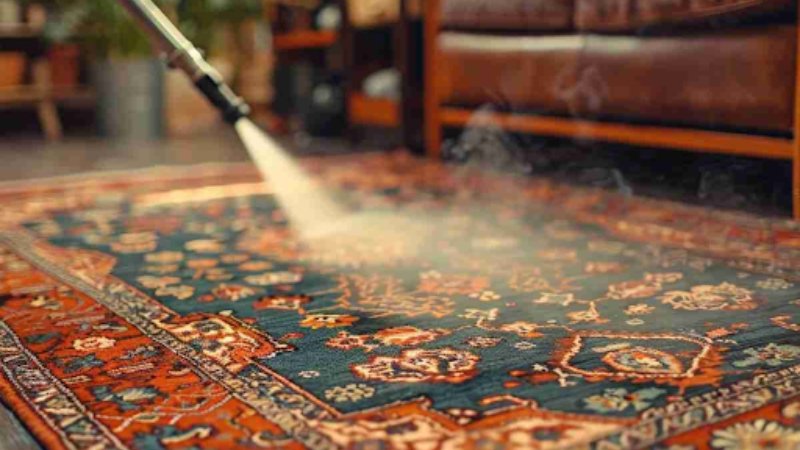
Mechanical agitation, whether from vigorous brushing or inappropriate equipment, can break weakened fibers, dislodge knots, and permanently alter pile texture. Steam cleaning, while effective for many modern carpets, can set stains, cause shrinkage, or damage delicate fibers in antique Oriental pieces.
Long-Term Consequences
Damage from improper cleaning often manifests gradually. Colors may appear stable immediately after treatment but begin fading or shifting over subsequent months. Residues left in fibers attract soil more rapidly, creating a cycle of increasingly frequent cleaning that accelerates wear. Structural weaknesses may not cause immediate failure but progressively compromise the rug’s integrity until costly restoration becomes necessary.
Preservation Beyond Cleaning
Proper Display and Use
How rugs are displayed and used significantly influences their longevity. Rotation every six months to a year ensures even exposure to light and foot traffic, preventing localized fading and wear. Protective padding beneath rugs cushions them from hard flooring surfaces, reducing stress on foundations and pile. Keeping rugs away from direct sunlight, even through windows, preserves dye vibrancy over decades.
In San Antonio homes, where air conditioning runs extensively during hot months, ensuring adequate humidity levels prevents the excessive dryness that can make natural fibers brittle. Conversely, managing moisture during humid periods protects against mold and mildew risks.
Storage Considerations
Rugs not in active use require careful storage to maintain condition. Clean, dry environments with stable temperature and humidity prevent deterioration. Wrapping in breathable materials rather than plastic allows air circulation while protecting from dust. Periodic inspection of stored rugs catches developing problems before they become serious.
Connecting to Broader Preservation Values
Cultural Heritage Significance
Each Oriental rug represents a thread in the broader tapestry of human cultural achievement. The techniques, patterns, and traditions embodied in these textiles have survived wars, migrations, and societal changes because communities valued their preservation. Contemporary owners participate in this continuity of care, ensuring that future generations can appreciate these remarkable objects.
The Environmental Protection Agency recognizes the importance of preserving cultural heritage objects through appropriate environmental management. Their guidance on indoor air quality and material preservation supports the careful climate control that benefits both human health and valuable collections. Detailed information is available at .
Investment and Legacy Dimensions
Beyond cultural value, Oriental rugs often represent significant financial investments. Authentic antique pieces in good condition appreciate over time, making preservation economically sensible as well as culturally important. For families, these rugs frequently carry emotional significance as inherited treasures that connect generations. Professional care protects both monetary and sentimental value.
Conclusion
Professional Oriental rug cleaning represents far more than routine maintenance. It is an act of stewardship that extends centuries of craftsmanship into the future. By understanding the unique sensitivities of these remarkable textiles, respecting the specialized knowledge required for their care, and investing in appropriate professional services, owners in San Antonio and beyond ensure that these extraordinary works of human artistry continue to enrich homes and lives for generations to come.
For readers interested in exploring how technology intersects with traditional craftsmanship preservation, our related internal blog topic about digital documentation methods for antique textiles offers complementary insights to the care strategies