
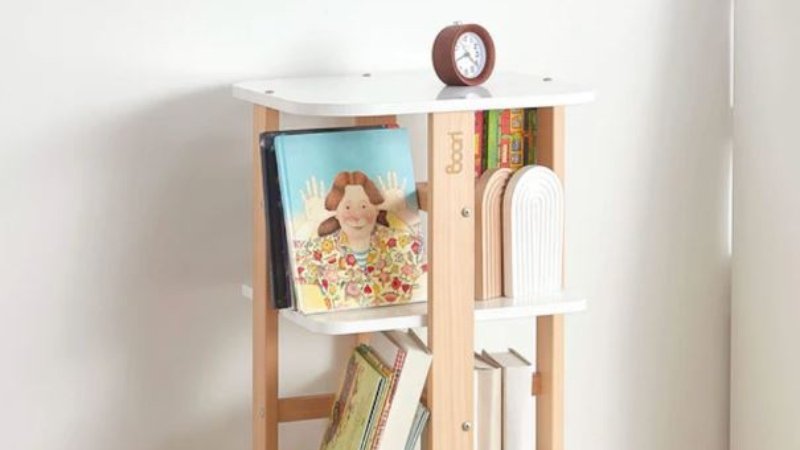
Book rotation is one of the most effective and most underused tools available to UK parents for maintaining their child’s engagement with the books on their bookshelf. The principle is simple: rather than displaying the full book collection at once on an overcrowded bookshelf, a curated active selection of 15 to 20 books is displayed in front-facing slots with covers visible, while the rest of the collection is stored in a box, a basket, or a separate shelf. Every three to four weeks, the active display selection is refreshed with titles from the stored collection. Books that have been absent from the display shelf for a few months feel genuinely new to a child encountering them again, generating reading interest and independent selection without purchasing a single new title.
Key Takeaways
- Book rotation maintains reading engagement over time without requiring constant new book purchases by making familiar books feel new when they return to the active display after a period in storage.
- An active display of 15 to 20 titles in front-facing slots is the optimal selection size for most UK primary school children: large enough for meaningful choice but small enough that every title is visible and recognisable.
- The rotation interval of three to four weeks is frequent enough to maintain the sense of a fresh selection without becoming a daily or weekly chore for the parent.
- A front-facing bookshelf with covers facing outward is the most effective display format for book rotation, because cover visibility is the primary mechanism by which young children engage with and select their next book.
- The stored rotation collection can be kept in a box or basket beside or below the main bookshelf, or in a separate storage area of the bedroom, provided it is accessible for the parent’s rotation process.
How Book Rotation Works in Practice
| Rotation Stage | What Happens | How Often | Time Required |
| Active display | 15 to 20 books displayed with covers facing out | Ongoing | None |
| Rotation refresh | 5 to 10 active books swapped for stored titles | Every 3 to 4 weeks | 10 to 15 minutes |
| Storage organisation | Stored books kept accessible by category or type | As needed | Occasional tidying |
| New purchases added | New books introduced into active display | As purchased | 5 minutes per title |
| Annual declutter | Books outgrown donated or stored long-term | Once a year | 30 to 60 minutes |
Setting Up the Rotation System
Start With a Front-Facing Bookshelf
Book rotation works most effectively when the active display is in a front-facing format, with covers visible for every displayed title. A front-facing bookshelf at the child’s eye level presents the active selection as an immediately browsable collection where every book is identifiable at a glance. The same titles in a box or in a spine-out row require the child to sort through and identify each book before selecting, adding friction that reduces independent browsing frequency.
Define the Active and Stored Collections
Divide the book collection into the active display set and the stored rotation set. The active display set contains the 15 to 20 titles currently in front-facing display. The stored rotation set contains all other titles, organised loosely by type: picture books together, early readers together, chapter books together. The stored collection does not need to be elaborately organised, but it should be accessible enough that the parent can retrieve specific titles during the rotation refresh without an extensive search.
The Rotation Process
Every three to four weeks, assess the active display for titles the child has not opened recently, pull four to eight of these, and replace them with titles from the stored rotation set that have been absent from the display for at least two or three rotation cycles. Place the replaced titles into the stored set. The refreshed display presents the child with a mix of familiar current favourites that they are actively engaging with and newly appearing titles that feel fresh after their period in storage.
For a front-facing bookshelf suited to a UK child’s bedroom book rotation system, visit https://boori.co.uk/collections/bookshelves and explore the Boori bookshelf collection.
Frequently Asked Questions
At what age does book rotation become relevant?
From around 18 months to two years, when the child begins showing preferences between specific books and when the concept of choosing their own book becomes developmentally meaningful. Before this age, the small board book collection appropriate for an infant does not typically need rotation.
How many books should be in the stored rotation collection?
The stored rotation collection can be as large as the family’s book collection allows. Even a stored collection of 30 to 40 titles produces a meaningful rotation that keeps the active display feeling fresh across two years of monthly rotations. The larger the stored collection, the longer the interval between any specific book’s return to the active display and the greater the sense of novelty when it reappears.
Should I include library books in the rotation?
Yes. Library books are an excellent source of short-term titles for the active display, providing fresh content without purchase costs. Library books should be kept prominently in the active display and returned before their due date, which creates a natural short-term rotation rhythm. Integrating regular library visits with the home rotation system ensures the active display is always fresh regardless of how large the owned collection is.
Can book rotation work on a spine-out bookshelf?
Yes, though it is less effective for children under six than a front-facing rotation system. On a spine-out bookshelf, rotation still refreshes the selection but the titles are less visually prominent to a child who navigates by cover image. A front-facing display bookshelf from https://boori.co.uk/collections/bookshelves makes the rotation system visually effective from the earliest relevant age by ensuring covers are always visible in the active display.
Final Thoughts
Book rotation is the maintenance practice that keeps a quality bookshelf working effectively across the full span of childhood. It requires no additional budget, approximately 15 minutes every three to four weeks, and a front-facing bookshelf that makes the refreshed active selection visually compelling. For UK families who already own a good bookshelf and a reasonable book collection, implementing book rotation is the single most cost-effective step available for increasing the daily reading engagement the bookshelf generates.